Why digital ecosystems will decide QSR’s winners in Southeast Asia
QSRs that own first‑party customer data will outperform the rest.
As quick-service restaurants in Southeast Asia race to adapt to rising costs and shifting consumer behaviour, the real competitive divide is opening not in-store but in who controls the digital ecosystem and the customer data that powers it.
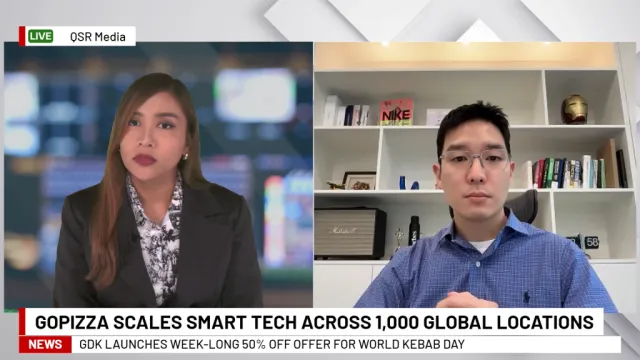
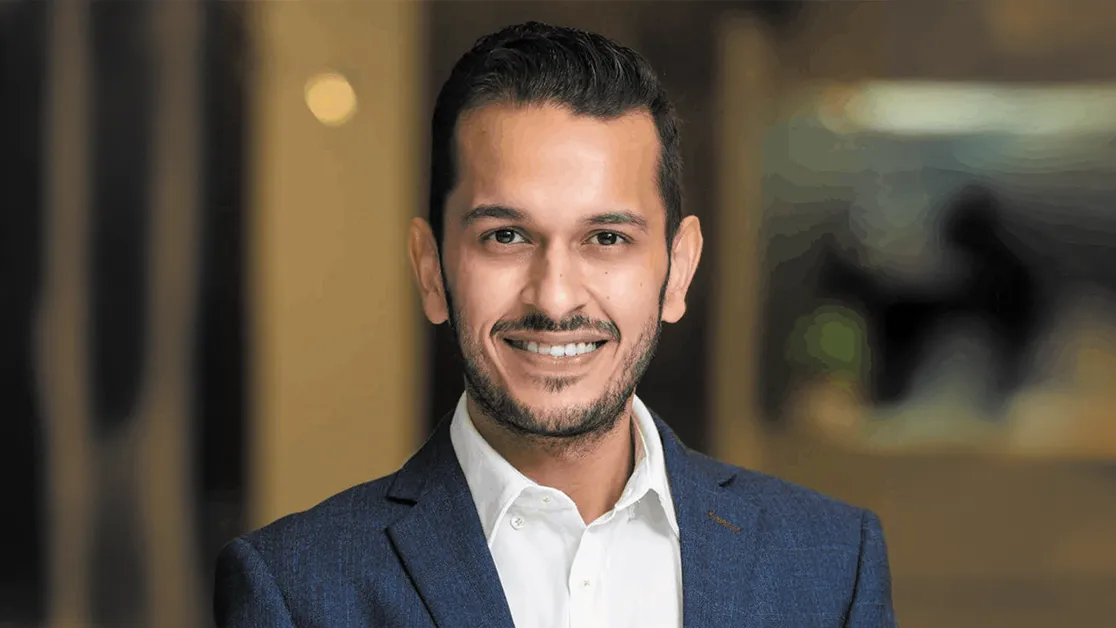
Ahead of the QSR Media Asia Conference & Awards 2026, Shaurya Ahuja, EY-Parthenon Partner, Consumer Products & Retail at Ernst & Young Solutions LLP, shares his view of the QSR landscape in Southeast Asia undergoing a structural reset.
What are the most important shifts you are seeing in QSR operations in Southeast Asia right now?
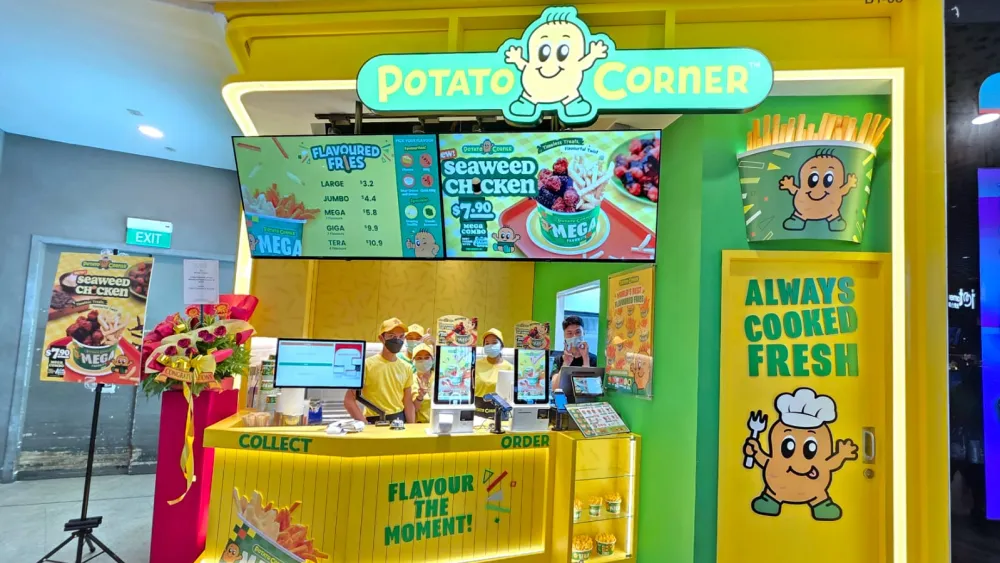
QSR (quick service restaurant) operations across Southeast Asia (SEA) are no longer anchored in physical stores but in digital ecosystems. Leading operators are integrating first-party apps and loyalty programs, social media, delivery platforms and third-party partnerships into a single commercial engine. This aims to create a seamless end-to-end customer journey. Based on our observations, in some SEA markets, 30 to 50% of QSR transactions are already digital, with apps and self-ordering kiosks increasing average order size through upselling.
Relatedly, digitalisation is moving upstream. Beyond customer-facing interfaces, operators are digitalising procurement as well as inventory management platforms to increase operational efficiency, reduce supply chain friction and manage cost pressures. In today’s inflationary environment, upstream digitalisation is an area where operators can build a competitive advantage.
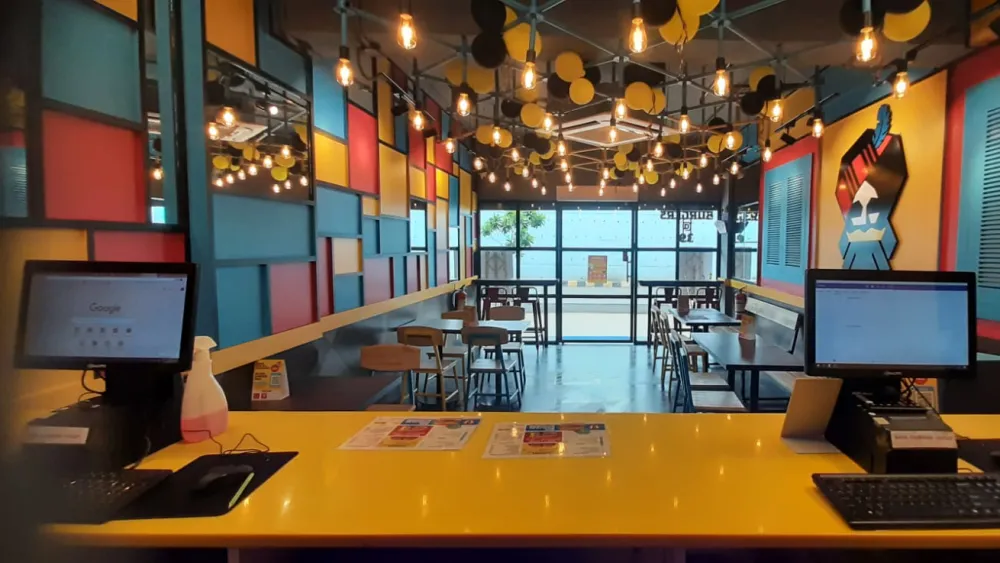
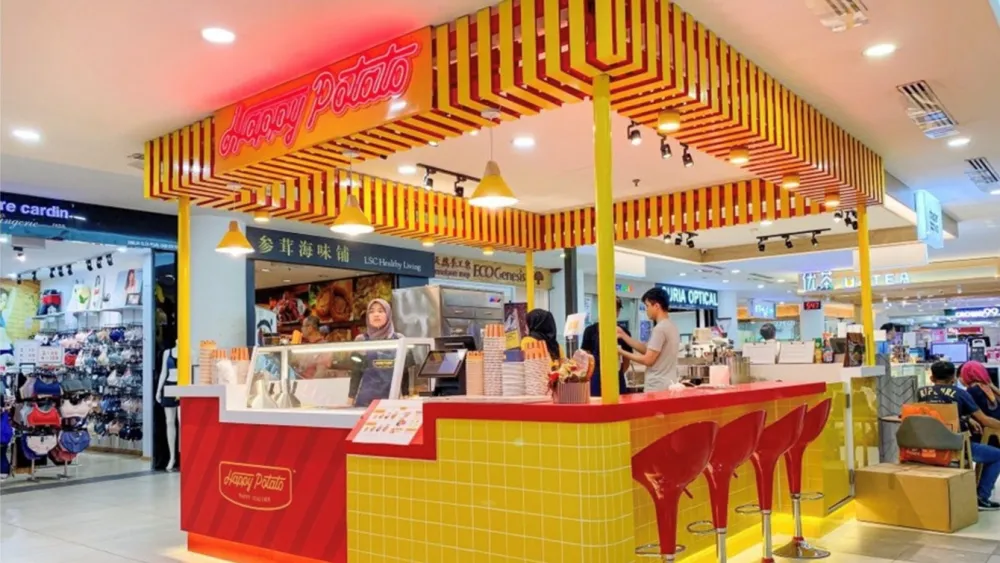
Store strategy is also undergoing a structural reset. The single, standardised format is giving way to a portfolio approach. This approach hinges on catchment economics, where dine-in, takeaway, click-and-collect and delivery-first outlets are deployed strategically. Dark kitchens or cloud kitchens are part of this mix. However, they are not a universal solution as operators need to align catchment density and delivery economics, rather than simply pursuing cost efficiencies.
In addition, subscriptions and membership models are gaining traction as QSR operators look at increasing customer lifetime value. The emphasis is moving away from broad-based discounts toward personalised engagement such as curated food discovery boxes, priority delivery and exclusive offers via brand partnerships.
Where are QSR operators consistently making mistakes?
The common mistake that we have seen is QSR operators scaling faster than their operating model can support. In the race to expand, particularly through franchising, many grow their footprint without robust operating playbooks, training systems and quality control in place. The result is inconsistent execution on the ground, which ultimately erodes brand equity far quicker than expansion builds it.
The next misstep is applying a one-size-fits-all approach to store formats. Many operators replicate the same model across markets, ignoring fundamental differences in urban density, footfall patterns and delivery demand. Store format should be a function of catchment economics. Overinvesting in dine-in, where delivery dominates or in underserving high-footfall locations with formats that cannot capture demand, could affect bottom lines.
Lastly, QSR operators often underleverage partnerships, particularly in an ecosystem-driven market. Stronger players use partnerships to scale faster and more efficiently, whether through marketing or co-branded menu innovation.
Which costs or risks are increasing fastest this year?
Labour costs are climbing sharply, driven by wage inflation and tighter labour supply across many markets. This is accelerating a structural shift in how stores are run. QSR operators are reducing reliance on frontline labour through digital ordering, kiosks and workflow automation, while also becoming more deliberate about staff deployment.
Rental costs are also becoming harder to absorb. Prime retail rents remain expensive in major SEA cities. Operators are rethinking store design by moving toward more flexible formats and using dark kitchens in lower-rent areas to balance cost with coverage.
The cost of growth itself is rising, both in marketing and technology. Traditional mass promotions are becoming more expensive and less effective, pushing QSR operators toward targeted, data-led and partnership-driven campaigns. At the same time, digitalisation requires meaningful upfront capital expenditure and technology investments. They should anchor every dollar of digital spend with clear commercial outcomes, be it a higher customer conversion rate, increased basket size or lower operating cost.
What does excellence look like in QSR execution today?
High-performing QSR operators are distinguished by optimised revenue drivers, strong digital engagement, data-driven network expansion and integrated ecosystem management.
They manage customer footfall, average transaction size and store productivity via strategies like upselling through kiosks and apps as well as offering bundled meals. They tap into technologies like geospatial and catchment analytics to determine new store locations and avoid cannibalisation. These technologies support expansion in a more disciplined and data-led approach. Excellence today also means connecting customer platforms, supplier networks, store operations and loyalty programs into a single operating model. The result is not just better growth but more predictable and scalable performance.
Looking ahead 12 months, what are your three most defensible predictions for QSR in Southeast Asia?
First, digital ecosystems will become the primary competitive advantage. QSR operators that own first-party customer relationships and data will outperform those that remain dependent on third-party platforms. As app-based ordering and loyalty participation deepen, the ability to capture and activate customer data will directly translate to better margins and stronger retention.
Second, store formats will fragment further. The notion of a single “hero format” will continue to erode as operators optimise for hyper-local catchment economics. It will become increasingly common to see dark kitchens, delivery-first stores and smaller footprint outlets.
Third, subscription and membership ecosystems will expand. Both QSR brands and delivery platforms will push more aggressively into subscription-led models to lock in habitual spend and repeat consumption. This will reduce reliance on broad-based discounts.