Why anxiety is driving customisable food choices
Small, deliberate food choices are increasingly used as a way to manage stress and assert control.
As anxiety, uncertainty, and decision fatigue increase, people are turning to small, manageable food choices as a way to cope.
This is the central finding behind “Choice Therapy,” one of three behavioural patterns identified in Yum! Brands and Collider Lab’s 2026 Food Trends Report.
Choice Therapy describes a shift away from passive consumption toward deliberate, customisable eating.
Consumers want to decide how much spice goes on their meal, how it’s assembled, how it looks, and how it fits into their mood or identity.
These micro-decisions, the report argues, offer a feeling of agency in a world where many choices feel constrained.
The trend is showing up most clearly in quick-service restaurants. According to Yum!’s global testing, Build Your Own meals and bundled “Cravings Box” formats outperform convenience-first options.
The appeal is not speed alone, but control—being able to design a meal rather than accept a fixed one.
Customisation is extending beyond core dishes. Consumers are gravitating toward adjustable spice levels, flavour flights, seasoning packets they can apply themselves, interactive “shake or dust” components, dippable desserts, and customisable drinks.
The report also notes a rise in food as self-expression, particularly during solo eating occasions. On platforms like TikTok, users regularly post videos of limited-edition snacks, new menu items, and in-car mukbangs.
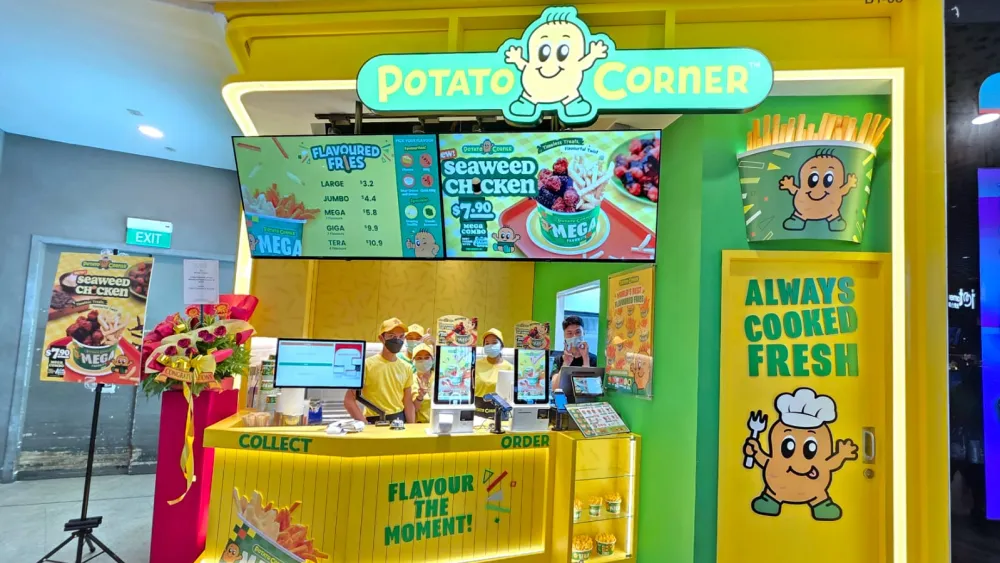
Packaging and product design play a role in this dynamic. Bright colours, unique illustrations, and short-term collaborations with celebrities or brands consistently outperform standard offerings, according to the report.
Other research points in the same direction. NielsenIQ’s 2025 white paper on consumer mindsets found that emotional needs and self-identity—including the need for control—are increasingly shaping food and beverage choices.
Consumers are moving away from simply trusting brands and toward evaluating ingredients, sourcing, and formulation. Seventy-one percent now say they closely examine product ingredients, origins, and nutritional benefits before purchasing.
“A sense of belonging” is also influencing buying behaviour. NielsenIQ reports that 33% of buyers of niche food and beverage brands choose products because they feel understood by the brand.
Younger consumers aged 18 to 25 are the most experimental, whilst 51% say they prefer premium or high-end options, reflecting a broader redefinition of quality that includes aesthetics and personal alignment.
Mintel’s 2026 Global Predictions for Food and Drink suggests this emphasis on control will extend into sensory design.
Multisensory foods—once treated as a novelty—are expected to become more functional, using colour, texture, and aroma to create experiences that address specific consumer needs rather than spectacle.