QSR brands double down on consistency as price increases hit limits across Asia
Frequent pricing swings strain loyalty as consumers tire of ongoing market changes.
Quick-service restaurant (QSR) operators across Asia-Pacific are pulling back on price-led strategies and doubling down on consistency, as rising costs collide with consumer resistance to further increases.
Speaking at the QSR Media Asia Conference & Awards 2026, executives from Wendy's, Hot Palette Holdings, Baba Rafi Enterprise, and Domino's Pizza said pricing power has become increasingly constrained, forcing brands to rethink how they define and deliver value.
“We don’t have permission to raise prices in certain markets,” said Michael Bruce, director of Asia Pacific at Wendy's. “The focus now is on how to maintain quality ingredients whilst managing sourcing, rather than simply increasing prices.”
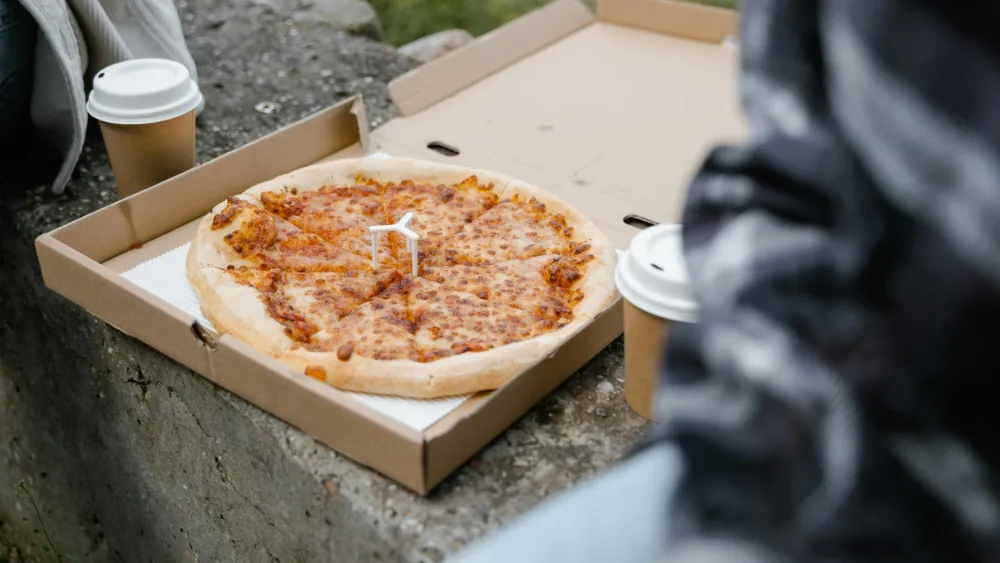
For Domino's Pizza, the shift is as much about consumer psychology as it is about cost.
“Consumers want consistency,” said Benjamin Boh, regional vice president at Domino's Pizza. “If you can keep pricing consistent so customers know what to expect every time, that builds loyalty.”
Frequent price changes, he added, risk undermining trust at a time when consumers are already fatigued by constant shifts in the broader environment.
At Baba Rafi Enterprise, the response has been to position value as “affordable premium,” rather than competing at the lowest price point.
Founder Hendy Setiono said the company’s focus is not just on end consumers but also on ensuring franchisees can sustainably expand.
“Value for us is affordable premium,” he said, linking the concept to the ability of partners to open more stores whilst maintaining product standards.
At Hot Palette Holdings (Pepper Lunch), value is being reframed away from price entirely. “Value is not about price, but trust—consistency and quality,” said Global CEO Yuto Tago.
Operating across 17 countries, the company is relying more heavily on customer feedback to fine-tune offerings, including adjusting portion sizes in specific markets based on local expectations.
The combined effect of cost inflation and limited pricing flexibility is narrowing the strategic options available to QSR operators.
Bruce noted that even as input costs rise, brands must prioritise maintaining product quality—particularly as consumers become more conscious of ingredients and sourcing.
“We meet with our eyes first, but customers also want to know where ingredients come from,” he said, underscoring the growing importance of transparency alongside value.
With pricing now a less reliable lever, operators are returning to fundamentals: consistent execution, stable pricing, and clear value propositions.
For Domino’s, that also means being more selective about changes overall. “The biggest difference now is being very selective about what we change and keeping everything else constant,” Boh said.