Southeast Asia QSRs must brace for tourism-driven demand shifts
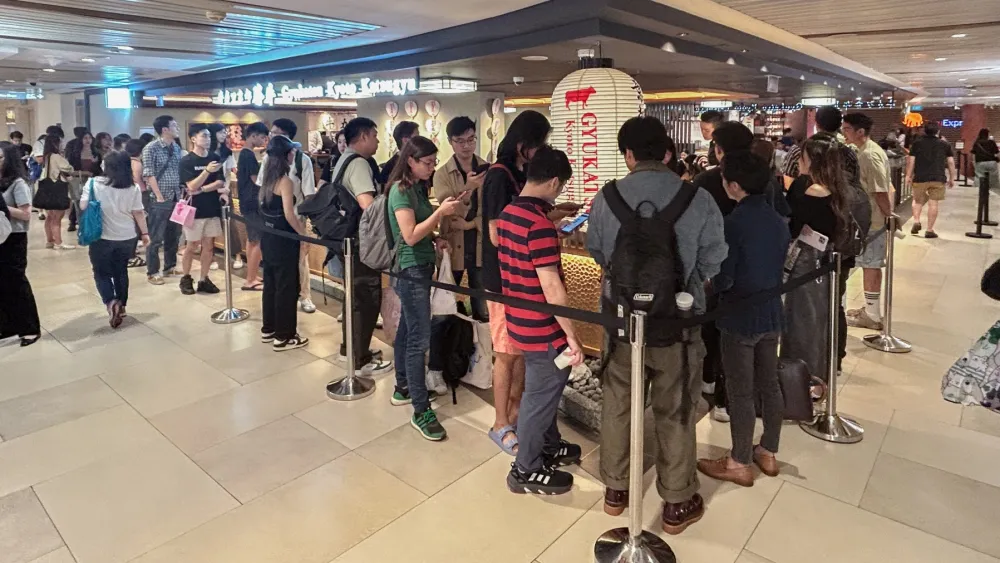
The recent decline in Middle Eastern visitors has had a measurable impact on SEA markets.
Southeast Asia’s quick-service restaurant (QSR) sector is facing mounting uncertainty as changes in tourism patterns affect consumer demand.
According to Paul Savuriar, manager for business development for APAC at GlobalData Plc, the recent decline in Middle Eastern visitors has had a measurable impact, particularly in markets such as Malaysia.
“In Malaysia, a significant portion of customers comes from the Middle East,” Savuriar said during the QSR Media Asia Conference & Awards held in Singapore. “With tourists missing from our side of the world, that is definitely impacting not just Malaysia, but also Southeast Asia.”
He noted that whilst not all brands are directly dependent on this segment, the gap has created challenges for operators accustomed to a consistent flow of international customers.
This shift in tourism patterns coincides with broader industry pressures. Savuriar cited rising costs, labour shortages, and ingredient price volatility as already straining QSR operations.
He emphasised the importance of adaptability. Savuriar highlighted the critical need for QSR brands to adjust marketing, pricing, and product offerings as demand fluctuates.
He also warned that the regional differences in market dynamics further compound the impact of demand uncertainty.
“Countries such as Singapore and the Philippines exhibit strong local QSR cultures, whereas markets like Thailand and Vietnam are balanced between street food and early-stage QSR penetration,” Savuriar said.
Despite these challenges, Savuriar said opportunities remain. “QSR operators leveraging digitalisation, delivery platforms, and health-oriented menus can maintain engagement with local consumers, even as international demand shifts,” he said.
He noted that the delivery channel is becoming a key market in the region as it hits a $22.7b valuation.
"However, failure to account for tourism volatility risks significant revenue losses," Savuriar said.
He suggests that short-term adjustments will be essential as brands may need to rethink promotions, delivery strategies, and customer targeting to offset the absence of tourists.