Restaurants bet on ‘experience peaks’ to win customer loyalty
Unexpected gestures, even small ones, leave lasting impressions on customers.
Restaurants looking to stand out should focus on creating memorable experiences for their customers, rather than just operational efficiency.
Speaking at the QSR Media Asia Conference & Awards 2026, Suchit Kakar, senior strategist – experience at Landor, said that many quick-service restaurants prioritise speed, app integration, and convenience, but often overlook the emotional side of the dining experience.
"When it comes to aspirations for a dining experience, it’s often along the lines of maximising covers, setting up service kiosks, integrating apps, or focusing on convenience and friction-free experiences—all of which are considered the foundation of a QSR experience," he said.
However, he stressed that operational efficiency alone cannot differentiate a brand. “We’re so focused on operations, we’re kind of forgetting about the overall customer experience. I think nothing differentiates like experience.”
Kakar noted that 74% of customer perception is shaped by experience rather than the food or service alone. “Only half of the experience that customers face is memorable enough,” he added.
Creating moments of surprise and delight, or what he called the “experience peaks”, is what makes a brand stand out, he said.
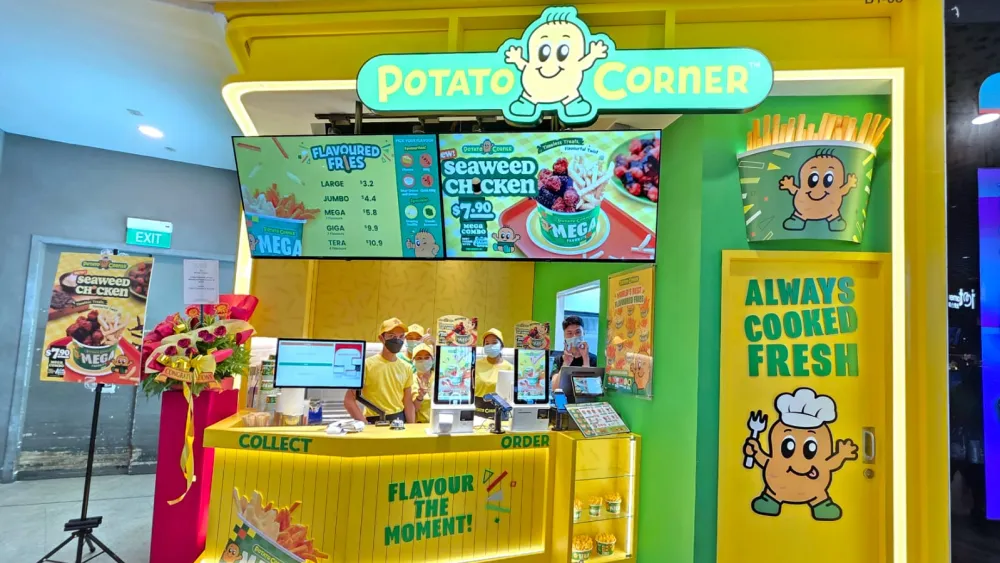
Kakar cited examples from global brands that have successfully created memorable moments without breaking the bank. At Pret, staff are empowered through the Random Acts of Kindness policy to give a free cup of coffee to anyone who needs it. At Five Guys, generous portions of fries have become a signature touchpoint.
Visible food preparation areas, playful rituals like secret codes for free items, and small surprises are all ways brands can create these moments. “It is always something new, always something that gives you a feeling like 'wow',” he added.
Kakar outlined a three-layer framework for creating memorable dining experiences. The first layer covers the basics, including the cleanliness, service, and operational efficiency.
The second layer involves reinforcing the brand through design cues, logos, and messaging that communicate what the restaurant stands for.
The final layer, the “experience peak,” is where the emotional connection happens. These are the moments that customers talk about, share on social media, and remember long after their visit.
“You don’t have to spend a lot, what you have to do is be strategic,” he said. “Find things that people can stay with and create your own experience peaks. Which moments in your experience could only be yours?”
He pointed out that differentiation does not necessarily come from grand gestures or expensive redesigns, but from thoughtful, well-placed moments that resonate with customers.
Kakar also said that experience peaks can occur at multiple points along the customer journey.
From the moment diners enter, to the act of ordering, the anticipation whilst waiting, and even the moment they leave, each interaction is an opportunity to create a memorable impression, he said.
Kakar said that restaurants can experiment with small physical touchpoints, service rituals, or even sensory surprises that reinforce the brand and create delight.