CEO cites team-building as core restaurant growth driver
Steen Puggard says strong teams improve guest experience, retention, and spending.
Whilst each market has its own dynamics, QSR brands must balance operational efficiency with delivering experiences that keep guests coming back.
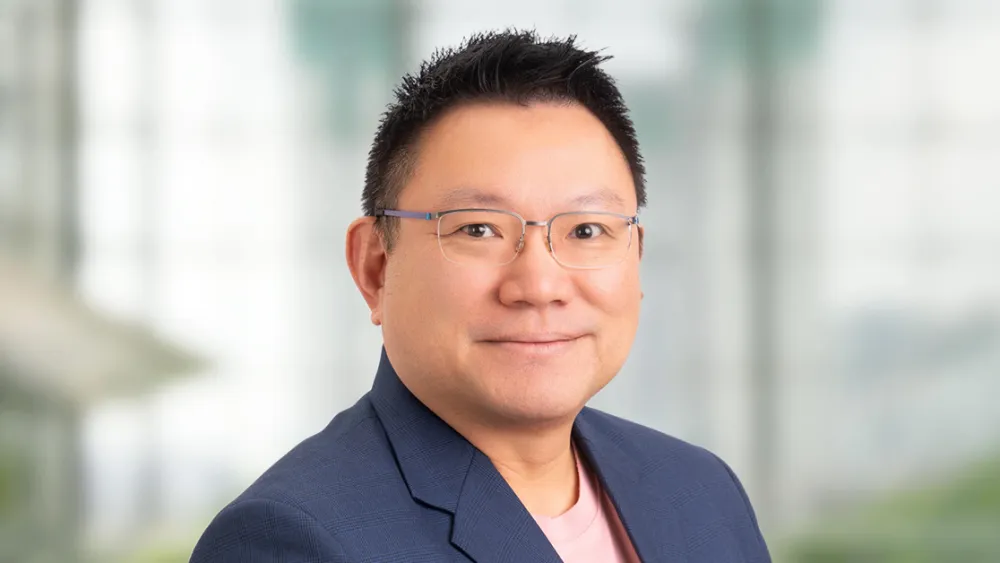
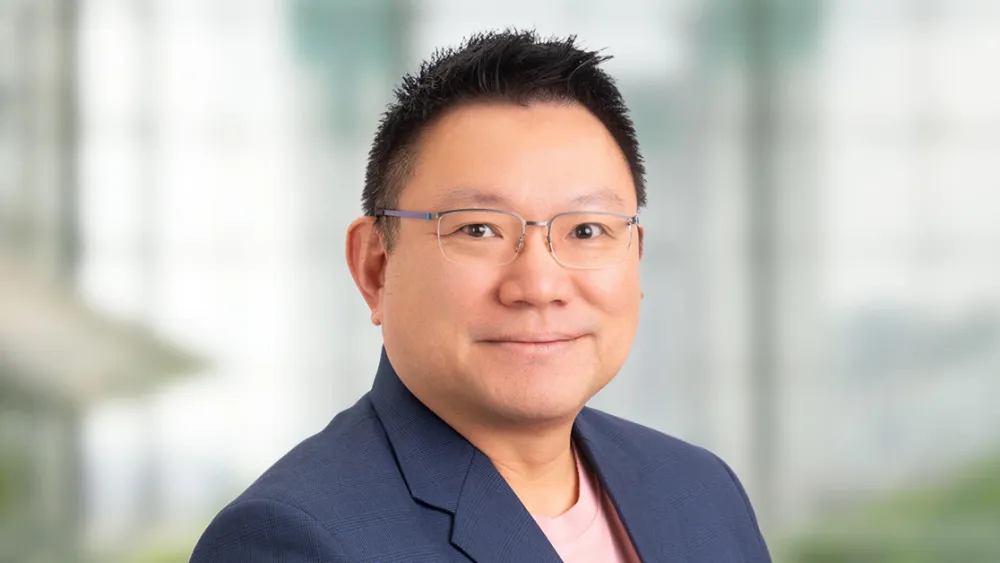
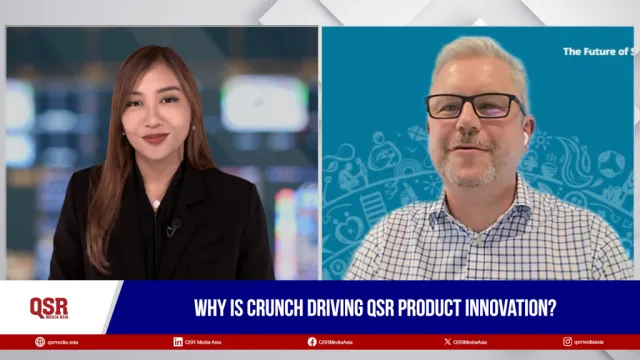
Ahead of the QSR Media Asia Conference & Awards 2026, Steen Puggard, CEO of Louis T Collection Pte. Ltd., told QSR Media Asia the operational realities of managing restaurant businesses across the region—from building strong teams to identifying where growth opportunities lie.
He also discussed where his company plans to channel its investments in 2026, including expansion in Cambodia and Thailand, the untapped potential of family-focused dining segments, and how emerging technologies such as artificial intelligence could reshape how quick-service restaurants operate in the years ahead.
QSR Media: What is the single biggest operational challenge your business is facing today in Asia, and how are you managing it?
Steen Puggard: First of all, I think it is important that we don’t paint all Asian markets with the same brush. Each Asian market has its own unique operational challenges and opportunities. That being said, there are a few things in F&B that all markets have in common. The most important is the reliance on people and the need to build great teams. Great teams look after guests, and satisfied guests lead to better guest retention and an increase in visit frequency and spend per visit. So investing in building teams leads to better revenue.
In an increasingly crowded market, what is the one thing your brand does differently that your competitors simply cannot replicate?
With home delivery being so ubiquitous and convenient, it is essential to provide a great dining experience when our guests visit us rather than just serve a meal. Consumers can easily get a meal at home with home delivery, so it is essential to ensure that we always strive to provide something that our guests can't get delivered.
The personal touch is important. Guests are welcome to use QR codes if they prefer, but we will always give them the option of ordering with us first. I find that too many operators are complaining that times are tough, but there are also many examples of restaurants doing well. Usually, they do well because they have a great team that provides a great experience.
Where are you allocating the bulk of your investment in 2026, and what specific metric will determine whether that investment has succeeded?
We will not invest in Singapore, as I am certain that we will see a lot of discretionary spending move to Malaysia once the high-speed rail is fully opened. I observed this in Hong Kong, where the seven million Hong Kongers are making four to five million monthly trips to nearby Shenzhen and spending $100 per person for a day trip and more than $200 for an overnight stay. In actual numbers, that is $675m in discretionary spending leaving Hong Kong. Every month! We'd better brace ourselves for tough times ahead in Singapore.
We are investing in our Pizza Hut franchise in Cambodia, which is a relatively small market, but it is under-supplied with mid-priced restaurants. We are also investing in Thailand, where we own a resort, as we are seeing tourism continuing to rebound.
What is one untapped customer segment, format, or geography you are actively targeting for growth this year?
In Cambodia, we are focusing very much on securing the kids' and family market segment with our Pizza Hut business, as no one really “owns” this segment. McDonald’s has not entered the market yet, so we see this as our window to get a head start and become the number one brand for kids and families. In Thailand, we are launching our own wellness brand, as we see wellness as a high-growth segment.
Looking three to five years ahead, what structural change do you believe will permanently reshape how QSR brands operate?
AI will clearly play a part in how QSRs are operated. The way QSRs are set up with systems, processes, and a strong focus on labour optimisation is ideal for leveraging AI to ensure optimal execution. There will still be people around in a QSR restaurant, but the restaurant manager could very well be virtual, i.e., AI.
Hear more from Steen at the QSR Media Asia Conference & Awards 2026 on 24 March at the Grand Copthorne Waterfront Singapore. For more information, please click this link.