What's driving the rapid growth of coffee retail in the Philippines?
By Tim ShawThe largest coffee chains have a combined total of 2,100 outlets across the country.
Rapid growth in retail coffee has been a standout trend in the Philippine convenience retail sector.
The largest five coffee brands – Dunkin, Starbucks, Pickup Coffee, The Coffee Bean and Tealeaf, and Zus Coffee – now have a combined total of 2,100 outlets across the country, with more than 600 added during the past 12 months.
GapMaps is forecasting that more than 1,000 new outlets will be opened during 2026. So, what’s driving this rapid acceleration, and how long will it last?
An expansion of the addressable market, often referred to as the Consuming Class, has been one major growth driver. This is made up of households with some ability to make discretionary retail spending choices. Whilst the Philippine population is growing at 1.3%, the Consuming Class is growing almost three times as quickly at 3.4%.
Another 4 million residents are expected to join the Consuming Class by 2030, enabling the purchase of coffee from retail outlets at least some of the time. Rising incomes for those already in the Consuming Class will also lead to more frequent retail coffee purchases.
The large established brands in the coffee sector are achieving penetration rates of 40-50 stores per million Consuming Class residents. The addition of 4 million new potential customers during the next five years will mean each of those brands needs to open a further 160-200 stores just to maintain their current market penetration. Opening fewer stores would mean going backwards relative to the size of the market.
Cold coffee is hot
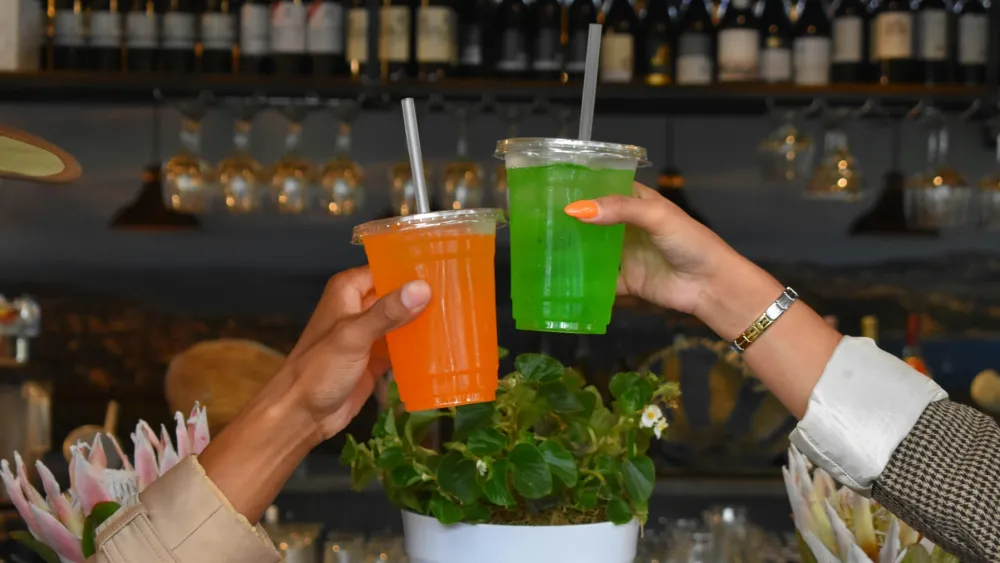
The growing popularity of iced beverages and cold brews has been another factor in retail coffee growth across the Asia-Pacific region. These new products are driving additional sales with new audiences rather than cannibalising demand for traditional coffee products. Many of these younger consumers see coffee as a refreshing afternoon beverage or a sweet after-dinner treat rather than a morning pick-me-up.
This growth in product range and day parts is also increasing the number of coffee outlets that can successfully trade in a catchment area. The recently released IMARC report on the Philippine coffee sector predicts 19% annual compound growth in the cold brew market between 2025 and 2033. If this is accurate, the current growth we’re observing is likely to be sustained for many years.
Compared with the Quick Service Restaurant (QSR) sector, the capital cost associated with coffee retail growth programs is relatively small. The shops are smaller, the fit-outs are usually simpler and less expensive, and the equipment investment is relatively modest.
This lower cost per unit encourages faster decision-making and more rapid outlet growth. And if a store needs to be relocated or closed because it isn’t working out, the cost of doing so is modest compared to the closure or relocation of a QSR outlet.
Rethinking the market
Until recently, shopfront retail coffee was dominated by brands like Starbucks and The Coffee Bean & Tea Leaf. These premium brands with high-quality fit-outs attracted higher-income consumers who willingly paid for the experience being offered.
But for every Filipino who could afford the premium experience, there were many more who couldn’t. This created an opportunity for brands like Pickup and Zus to provide quality products at lower prices that are attractive to the larger middle-income consumer group.
These new brands have achieved a level of store density not possible for premium retailers, while also operating successful outlets in catchment areas unsuitable for premium retail. They’re also attracting higher-income consumers who aren’t always seeking a premium coffee shop experience.
Coffee outlets serve very small catchment areas when compared to the QSR sector. Workers seeking a mid-morning coffee are time-poor and unlikely to walk further than a few hundred metres to reach their preferred coffee outlet.
Small catchment areas enable brands to locate multiple stores in close proximity with little risk of sales cannibalisation. For example, this has seen the largest five coffee brands opening 129 outlets in Makati City, compared with just 75 outlets across the five largest QSR brands.
In summary, all evidence points towards further rapid expansion of the retail coffee sector in the Philippines, with growing brands like Pickup and Zus showing no signs of slowing down as new rivals prepare to enter the market.
Despite this rapid growth, any fears that the market will reach the saturation point anytime soon are unfounded, with Manila’s retail coffee outlet penetration currently less than a quarter of what we see in Ho Chi Minh City.
All of which means that Filipinos will enjoy increasingly convenient access to their favourite coffee brands in the years ahead.