Design, Data, Discipline: The answer to attrition for QSRs in Asia
By Santosh ReddyAsian QSRs face rising transactions but slipping loyalty—demanding a smarter approach.
Across Asia, quick-service dining isn’t just a convenience; it’s a ritual. Families at Jollibee in Manila, late-night McDonald’s runs in Singapore, and bubble tea breaks in Bangkok form part of the region’s cultural rhythm. But behind the busy counters, a quiet crisis is unfolding.
Even as transactions rise, loyalty metrics in many QSRs are slipping. Points pile up unused, redemptions remain low, and customer churn keeps inching up. The question is no longer how to attract diners—it’s how to make them stay.
Having worked closely with leading QSR brands across Asia, there’s one pattern that we have often noticed: the struggle to turn loyalty from a cost centre into a growth engine. Many programs have grown complicated, fragmented, and transactional. The dashboards may be full of members, but few of them are truly engaged. That’s the gap the best brands are learning to close—by bringing design, data, and discipline into how loyalty is built and run.
The cracks are easy to spot. In many programs, members sign up enthusiastically but rarely redeem, leaving point balances to expire without emotion. Others battle broken tech stacks, where kiosks, apps, and aggregators run on separate systems that fail to recognise a single customer across touchpoints.
The result is fatigue—both for customers and for the teams running these programs.
To fix this, the most forward-thinking QSRs in Asia are embracing a simple but powerful mantra: Design, Data, Discipline. It’s not another slogan—it’s a reordering of how loyalty fits into the business.
Design starts with habit creation. In mobile-first Asia, game mechanics are everywhere, and QSRs are learning to harness that psychology. KFC Japan’s “Shrimp Attack” turned a limited-time menu into a mobile game that worked like Fruit Ninja: players sliced shrimp to defend the chicken kingdom, earning vouchers as rewards. Nearly 800,000 people played; engagement hit 91%, and shrimp sales jumped by 106% year over year—so sharply that KFC paused the campaign to restock. It was playful, product-linked, and habit-forming—everything loyalty is supposed to be.
But even the best design falls flat without smart use of data. That’s where the second pillar comes in - Data. Most QSRs still rely on blanket offers and mass notifications that feel generic and margin-eroding. True personalisation starts with understanding missions, not demographics. Breakfast commuters, late-night snackers, delivery families, and weekend diners each have distinct rhythms. With AI-driven segmentation, brands can map real dining behaviour—frequency, spend, and even mood proxies like time of day—and trigger offers or nudges that feel timely rather than intrusive.
Sushi Tei and Hokkaido-Ya in Singapore show what this looks like in action. Their AI-powered kiosks recognise returning guests and tailor recommendations based on visit purpose and past orders. The system begins with broad patterns—lunch rush, family dinner—and quickly learns individual preferences. The outcome: about 10% higher item value and 5% higher order value. That’s personalisation that protects margins instead of diluting them.
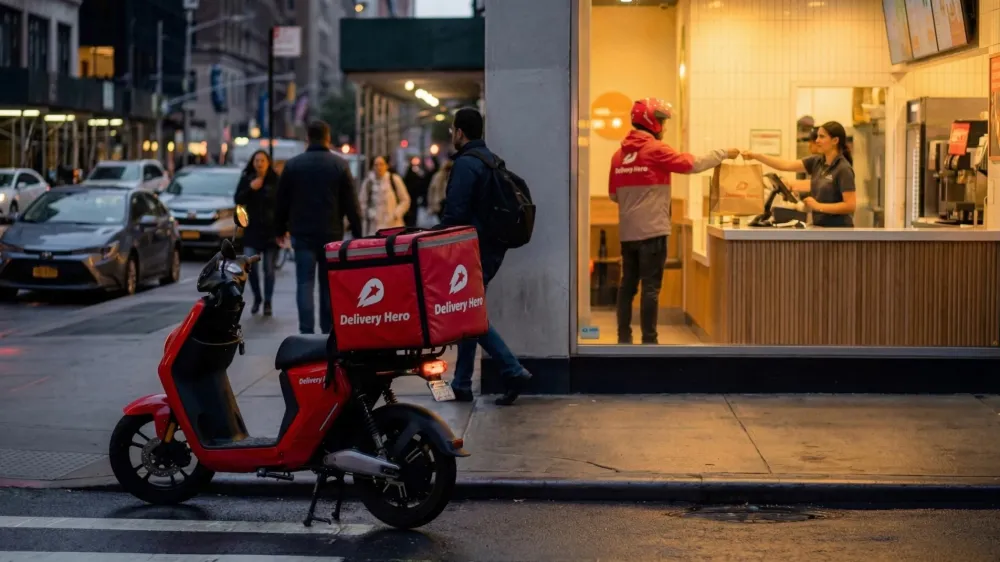
The third pillar, Discipline, is about reclaiming customer ownership and orchestrating loyalty across every channel. Aggregators once drove discovery, but they’ve also created dependency.
The smartest QSRs are re-centring the journey on owned platforms. McDonald’s Singapore is a standout example. The My McDonald’s App lets customers order ahead, choose pickup options like table service or Drive Thru, and pay through GrabPay—integrated so smoothly that the experience feels faster and more rewarding than a marketplace route. Customers continue to earn GrabRewards, but the data, experience, and economics remain McDonald’s own. This clarity pays off in both loyalty and profitability.
Across the QSR landscape, the signs of progress are visible. Brands that have adopted this triad of design, data, and discipline are seeing more repeat visits, higher order values, and stronger advocacy. They are less reliant on discounts or aggregators to drive traffic. Instead, they’re using behavioural insights and AI to create predictable demand that grows healthier over
time.
The future belongs to brands that bake loyalty into the very fabric of their operations—where every app interaction, kiosk order, and wallet payment quietly reinforces the same relationship. In markets where menus, prices, and delivery speeds are easy to copy, that coherence becomes the ultimate differentiator.
That’s what Design, Data, and Discipline deliver—loyalty as a living system, not a line item