Asian QSRs experiment with bold campaigns
Pizza Hut, Haidilao, and McDonald’s are challenging conventional wisdom.
Asia’s quick-service restaurants (QSRs) are shifting from convenience to customer experience as brands experiment with bold campaigns and differentiated service.
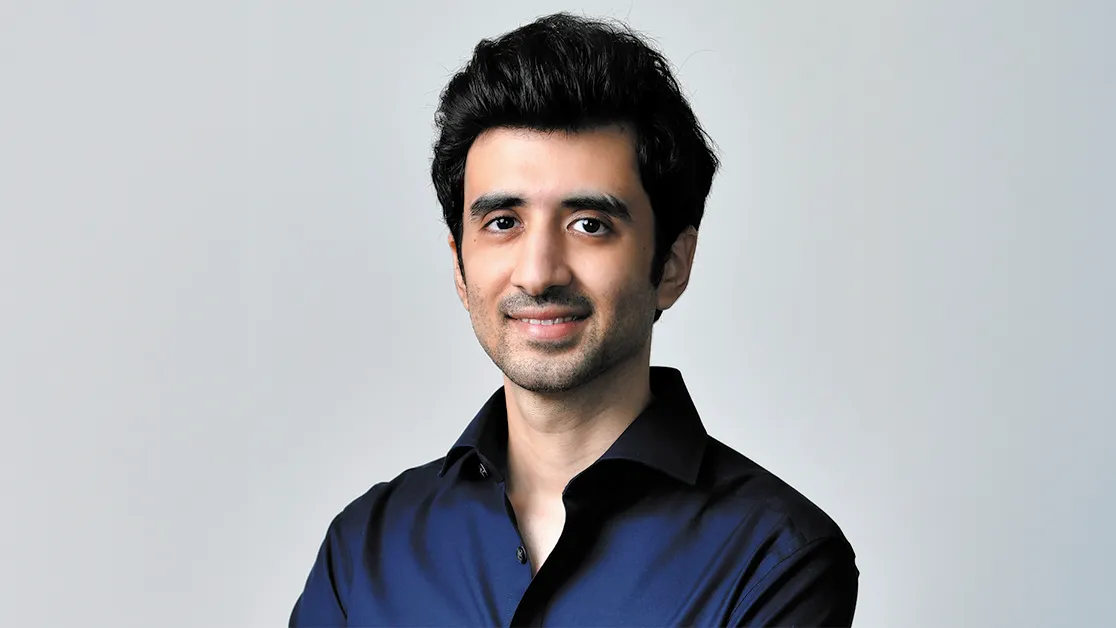
Suchit Kakar, a senior experience strategist at Landor Associates, said that in the next 12 months, emotional branding would give operators pricing power, dine-in experiences would regain importance, and service quality would become a key factor in consumer choice.
“This feels like a genuinely exciting time for the category as brands are finding the conviction to challenge conventional wisdom and are getting greatly rewarded for it,” he told QSR Media ahead of the QSR Media Asia Conference & Awards 2026 in Singapore.
The trends are visible in recent experiments. Pizza Hut Taiwan is testing divisive flavours such as stinky tofu pizza; Haidilao turned a menu launch into a fashion show with Harper’s Bazaar; and McDonald’s Singapore opened a temporary McSpicy museum to celebrate a signature item.
Kakar said innovation does not always need to be safe. “Who said a menu update must be just a social media post? Who said old favourites can’t be exciting?”
Yet even high-profile campaigns can’t replace operational basics. Poorly maintained tables, confusing menus, or inattentive staff can quickly erode customer loyalty.
“Experience isn’t just the sexy stuff; it’s also the everyday,” Kakar said.
Small gestures can become memorable “peak moments”: Jollibee sending mascots to tables, or Five Guys overfilling fry bags so customers always find extra fries at the bottom.
“As costs rise, the question isn’t how to make everything better—it’s where your peak is,” Kakar said.
Consistency remains critical. “The brands genuinely winning are the ones where, for customers, visiting five times feels as intentional as visiting once,” he added.